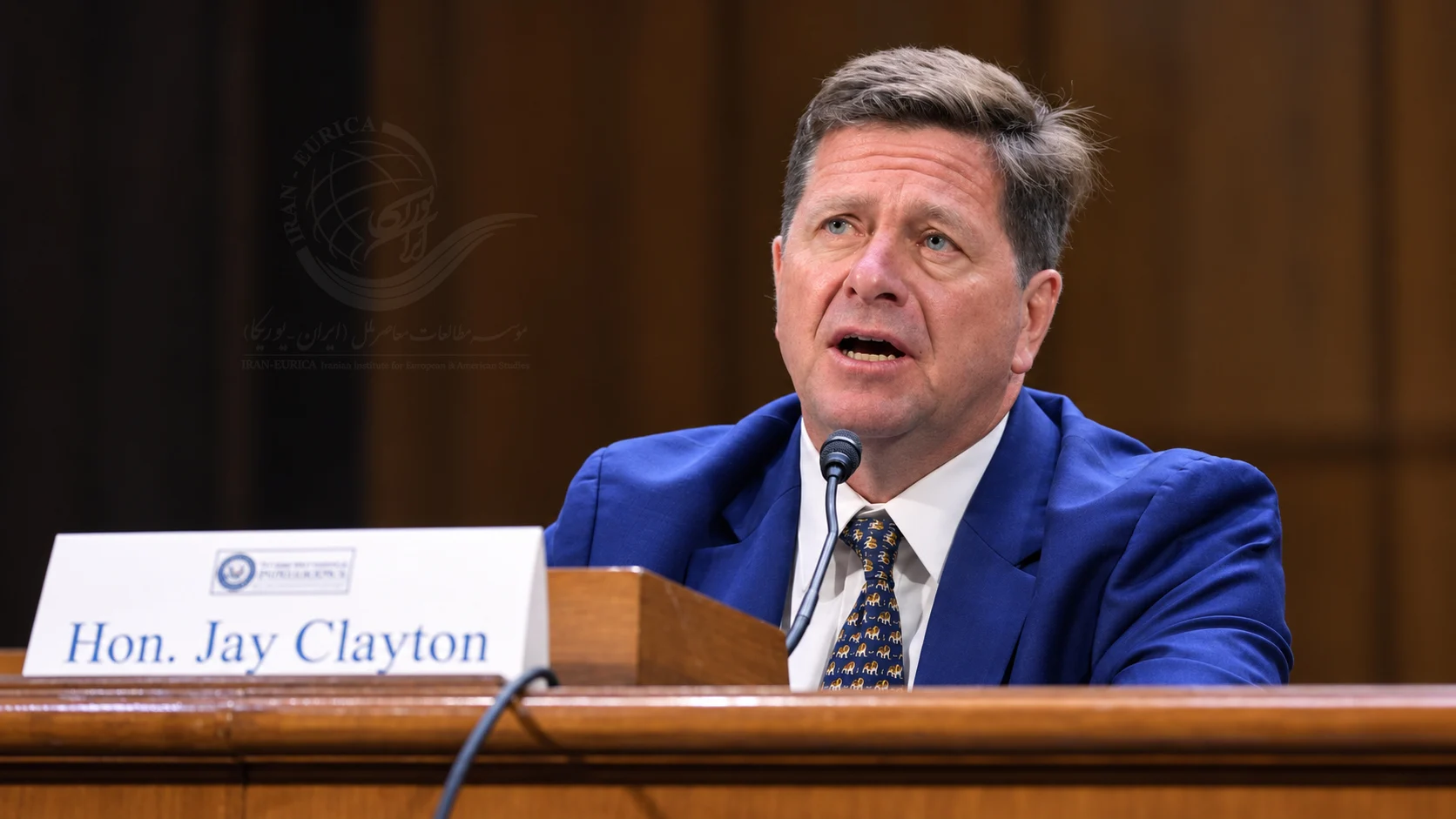
Following the dismissal of Tulsi Gabbard, U.S. President Donald Trump nominated Jay Clayton to serve as Director of National Intelligence, one of the highest-ranking intelligence positions in the United States. The position was established in 2004 with the aim of improving coordination among U.S. intelligence agencies. One of the principal responsibilities of the Director of National Intelligence is to consolidate intelligence reports into comprehensive assessments and present them to the President.
The office was created after the U.S. government concluded that insufficient attention to security warnings concerning al-Qaeda’s activities and preparations for operations on U.S. soil had contributed to the terrorist attacks of September 11, 2001. One of the factors identified was the lack of effective communication channels among parallel U.S. security and intelligence agencies. The Director of National Intelligence is a Cabinet-level official and is regarded as one of the most important senior positions in the U.S. government.
General Background
Jay Clayton has primarily built his career as a conservative lawyer. He currently serves as the U.S. Attorney for the Southern District of New York, representing the federal government in legal proceedings within that jurisdiction. As a result, several major cases have fallen within his area of responsibility, including the prosecution of former Venezuelan President Nicolás Maduro and matters related to the Jeffrey Epstein case.
Clayton’s record in this role also includes cases involving national security, which has been cited as part of the rationale behind his nomination for the intelligence post. Previously, from 2017 to 2020, during Donald Trump’s first presidential term, Clayton served as Chairman of the U.S. Securities and Exchange Commission (SEC). In that position, he was widely regarded as a conservative figure supportive of business interests and free-market policies.[1]
At times, Clayton has also taken positions suggesting that he stands further to the right than traditional Republicans and may be considered a Trumpist figure. One example is his repetition of claims concerning election fraud in reference to California’s electoral laws.[2]
Clayton has made relatively few public statements on foreign policy. However, in one instance, he stated that the United States should represent a major threat to rival and hostile countries.[3] In addition to this position, the political profile of the senators who have welcomed his nomination, including Tom Cotton, suggests that Clayton may adopt a significantly more hawkish and interventionist approach to foreign policy than Gabbard.